Potrero Hill
“They were very straightforward - clear communication from start to finish, no surprises, install team was awesome and the product works great. The price was much less expensive than other quotes I got for solar and batteries.”
For homeowners who plan in years, not months.
You own it, for about half the long-run cost of staying with PG&E.
No contact info required.

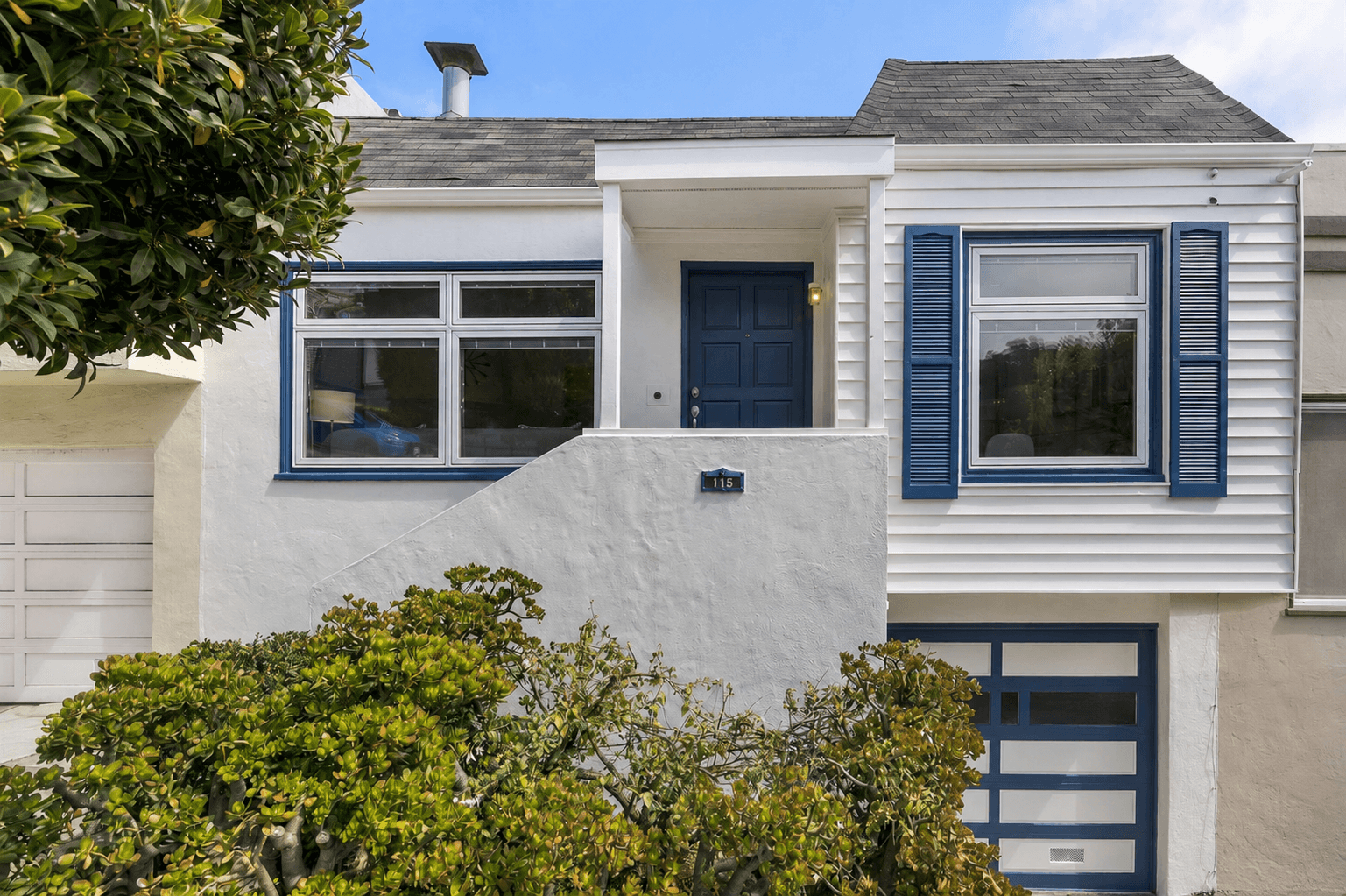
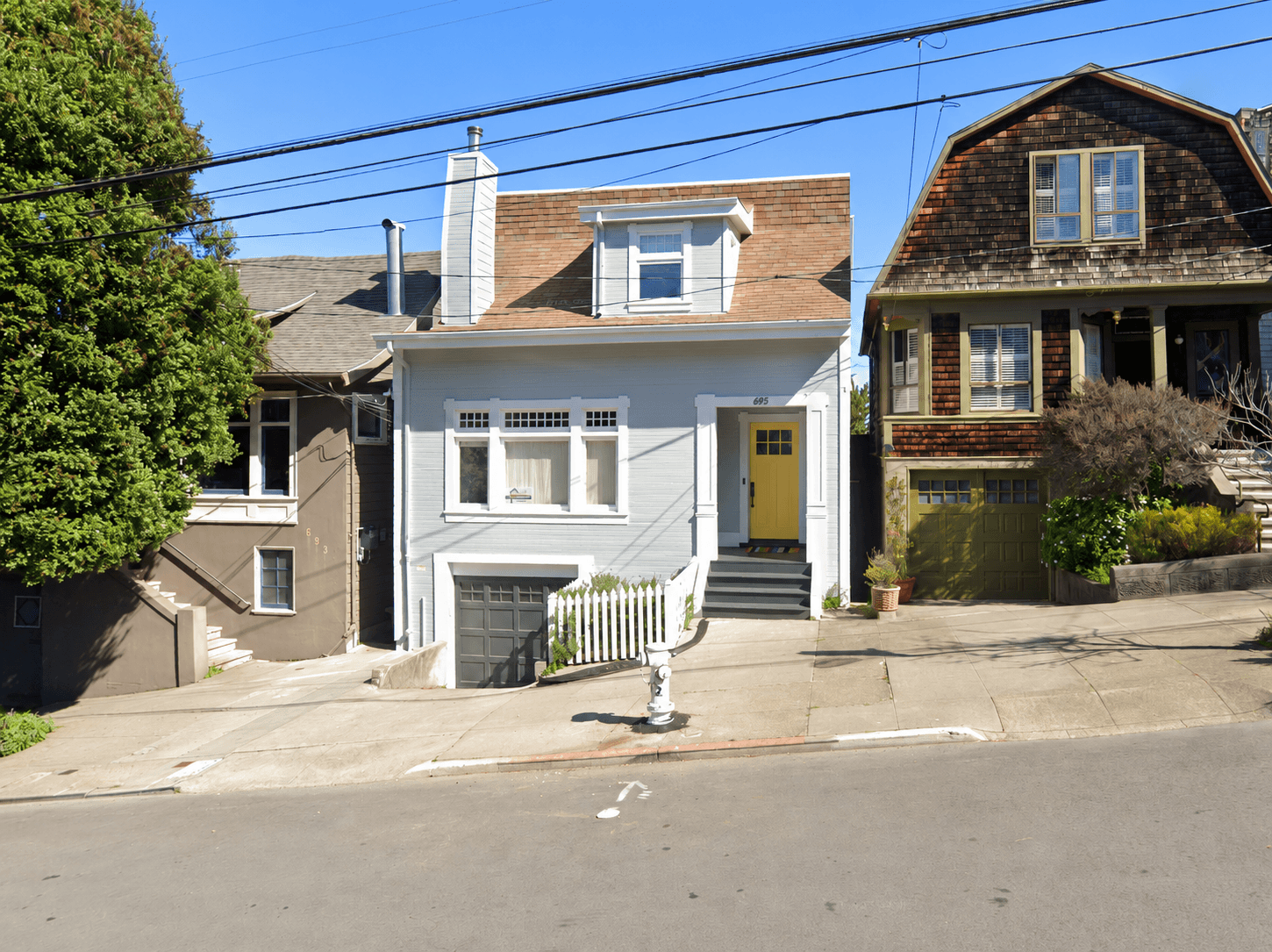
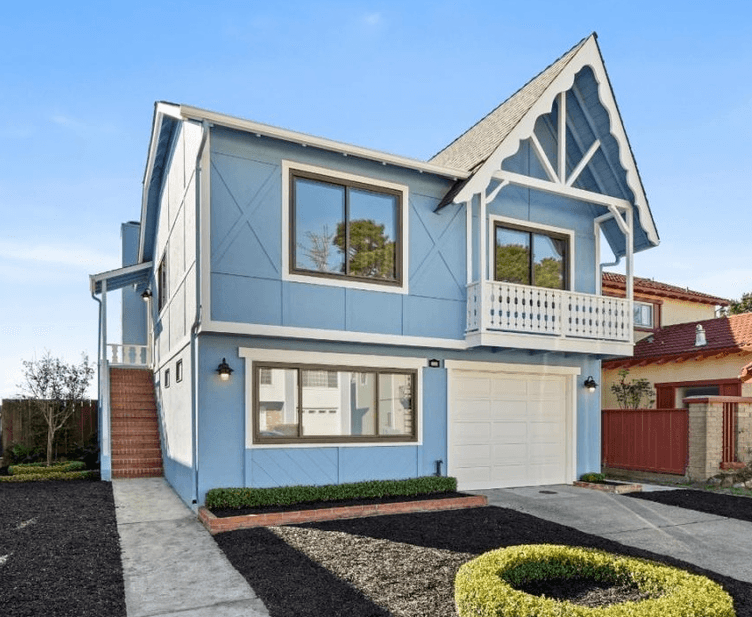
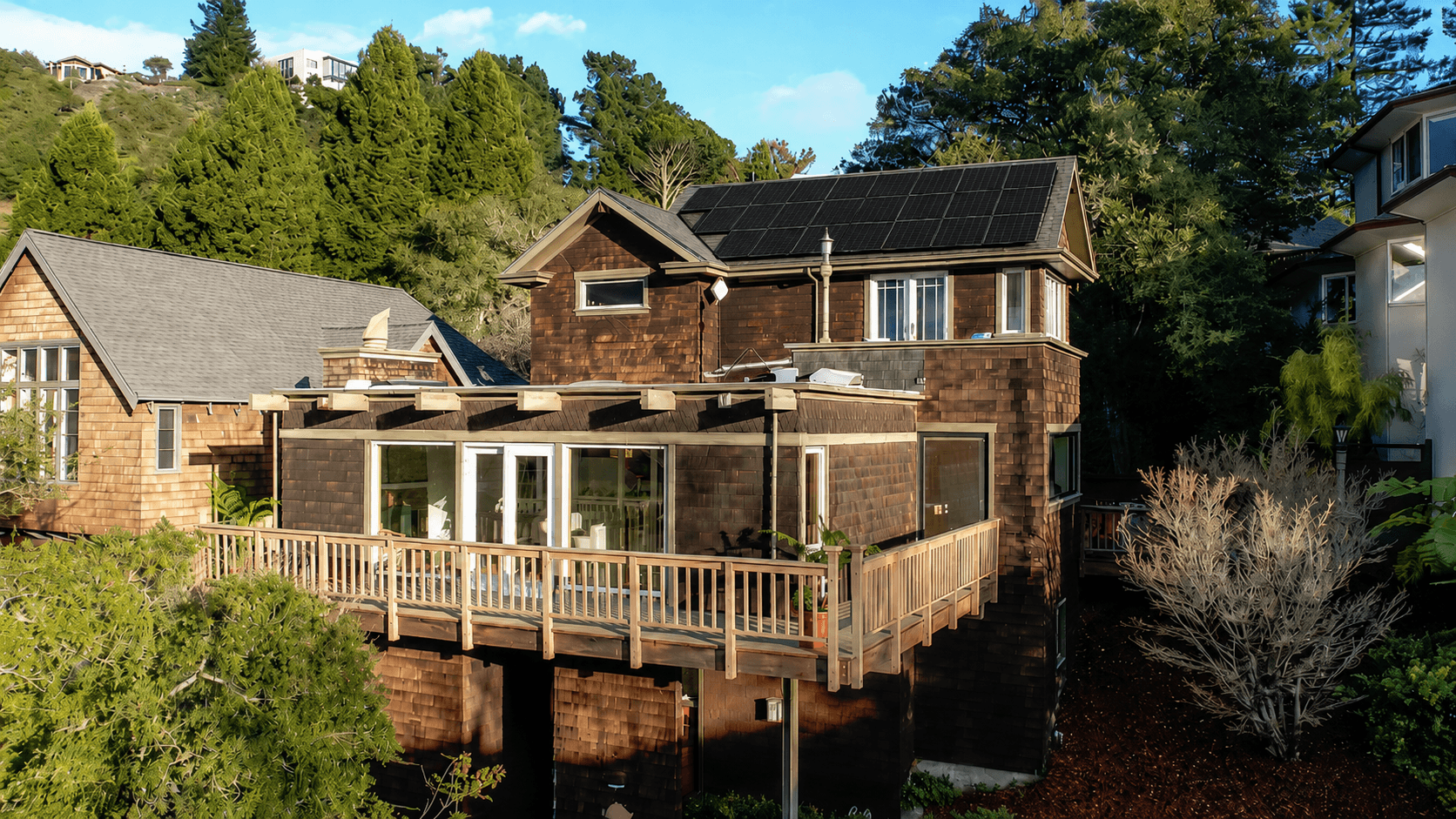
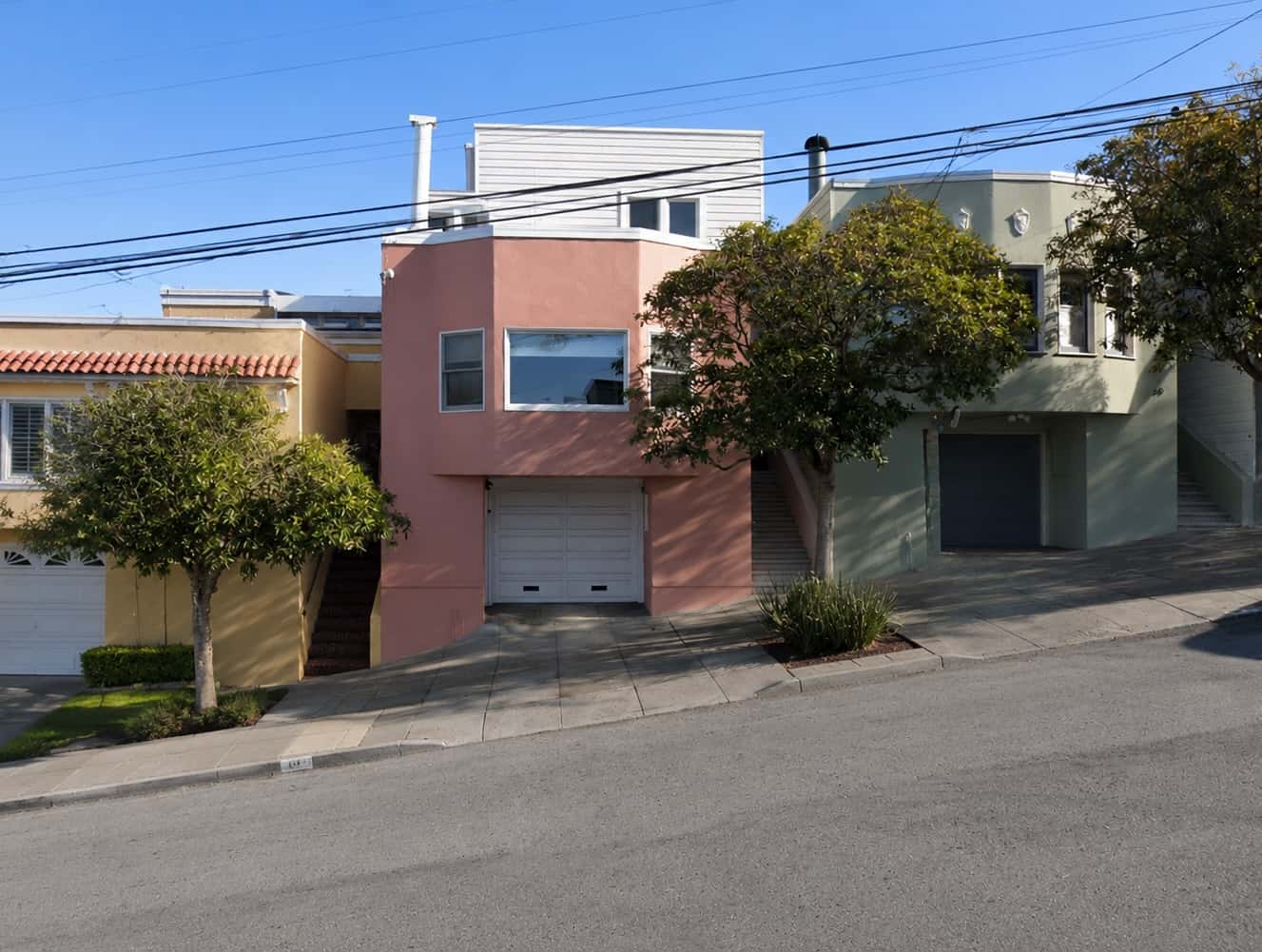
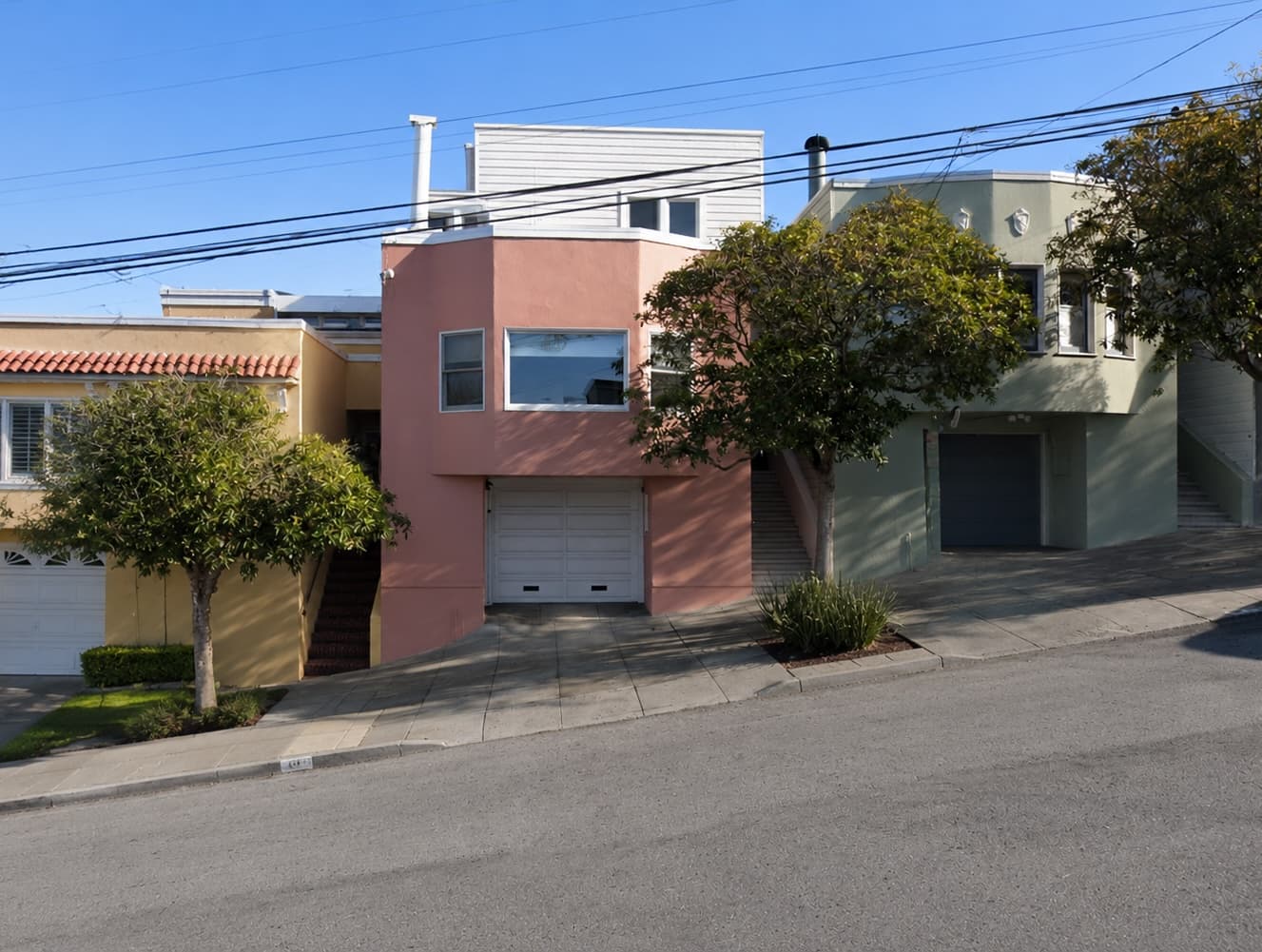
Potrero is a San Francisco solar, battery, and smart-panel installer, and the city rewrites the playbook. Roofs here are small, often flat or low-slope, and shaded by the building next door or the afternoon fog. Fitting enough production on a Victorian or a row house is a design problem, so we use high-efficiency Optivolt panels and lay them out to make the most of a tight roof rather than leaving it half empty.
The economics turn on PG&E rules, not sunshine. San Francisco sits in the coolest baseline territory, so your load is lighting, plug loads, an EV, and a heat pump rather than summer air conditioning. Under PG&E NEM 3.0 the day rate for the solar you export is low, which is why we design around the battery: you store your own power and use it at night instead of buying it back at peak. Most homes here buy generation from CleanPowerSF while PG&E still handles delivery and billing, and you stay on those same rules either way.
The numbers that decide whether a system makes sense, sourced and specific to San Francisco rather than a national average.
Rates and incentives reviewed June 2026.
About 4,755 kWh a year for the average home in PG&E coolest baseline territory, zone T (allowance ~2,616 kWh), billed on the tiered E-1 rate plus its fixed charge. Your estimate scales to your home and roof. PG&E Schedule E-1.
Modeled for a well-oriented San Francisco rooftop. A system sized to the home above more than covers it once you store the daytime surplus. NREL PVWatts.
San Francisco issues solar-plus-storage permits through SolarAPP+, the automated SB 379 instant lane, instead of a multi-week plan check. SF solar permit.
Almost three times inflation, and accelerating: up 41% in the last three years. A system you own locks in your cost per kWh. Public Advocates Office Q2 2025.
62% of San Francisco homes were built before 1960, on electrical panels never sized for an EV, a heat pump, and an induction range. A smart panel adds those loads without the costly service upgrade. U.S. Census ACS 2023.
Utility gas still heats most of San Francisco. As homes swap to heat pumps and add EVs and induction ranges, that load shifts onto the panel, so we size solar and storage for the all-electric home you are heading toward, not just the gas one you have now. U.S. Census ACS 2023.
Homes in PG&E’s San Francisco division average about 2 hours per customer without power a year, versus about 9 across PG&E. 2022 to 2024 average. PG&E reliability report.
Rarely. San Francisco has one of the most reliable grids in PG&E’s system, and it sits outside California’s fire-threat districts, so planned wildfire shutoffs essentially do not happen here. We will not sell you fear of a risk the data does not show.
What San Francisco does get is the rare equipment failure, not a fire shutoff. In December 2025, a fire at PG&E’s Mission substation cut power to about 130,000 customers, roughly 30% of the city, for up to 48 hours. PG&E personnel had found the damaged equipment a month earlier and left it in place, and the same substation had already failed in 1996 and 2003. SF Standard’s reporting on the outage.
Rooftop solar alone does not help in an outage: grid-tied panels shut off for the safety of line crews, so a full roof still goes dark. A battery sized for whole-home backup is what keeps the lights, refrigerator, internet, and heat running, and it recharges from the sun each day, so even a rare multi-day outage is something you ride out.
Every design decision is made to lower your cost over the long run.
Same upfront price as the typical San Francisco quote. Roughly double the value over the long run.
From a signed contract to the system going live, most San Francisco projects run about three to five months. The hands-on work is quick: the estimate and the SolarAPP+ permit are same-day, and the install itself takes days. Most of the calendar is the waiting in between, the scheduling, the materials, and above all PG&E Permission to Operate, the long pole that sits outside any installer’s control.
Your address, roof, and PG&E baseline return a real price and system size, with no contact information required.
A designer reviews the layout, your PG&E usage, and your goals, then puts together a final quote. When it looks right, you sign and put 2% down: a small deposit that schedules the site visit, with nothing ordered yet.
We confirm the roof, shading, main panel, and battery location on site, then reconcile any changes to the design and price with you before permitting or construction.
San Francisco issues solar-plus-storage permits same-day through SolarAPP+, the automated instant lane, instead of a multi-week plan check. We then order materials, book the crew, and install: the panels, the EG4 battery, the smart panel, and the interconnection.
The city inspects, then PG&E grants Permission to Operate so the system can export. That wait is the long pole, and it sits with the utility, not the build. Once it clears, the system powers the home, stores daytime solar for the evening, and islands automatically the next time the grid goes down.

“They were very straightforward - clear communication from start to finish, no surprises, install team was awesome and the product works great. The price was much less expensive than other quotes I got for solar and batteries.”

“Potrero Solar was an easy and economical decision for us. The team took great care of us throughout the process, with excellent planning and installation services despite our tricky layout.”

“They were extremely respectful of our old house and went the extra mile to find the best placement for all the new equipment they installed.”

“Production is right where they said it would be, and we've already had a PG&E power outage where the whole-home battery backup worked flawlessly.”

“The value proposition is bang on. Installation was really professional. And the service is amazing.”

“This is a fantastic company. They have an unbeatable price and really great customer service. Their crew is great.”

“Even after installation, they’ve continued supporting me to optimize performance.”

“I highly recommend Potrero energy for your solar. They did a good job and it works great!”

“They were very straightforward - clear communication from start to finish, no surprises, install team was awesome and the product works great. The price was much less expensive than other quotes I got for solar and batteries.”

“Potrero Solar was an easy and economical decision for us. The team took great care of us throughout the process, with excellent planning and installation services despite our tricky layout.”

“They were very straightforward - clear communication from start to finish, no surprises, install team was awesome and the product works great. The price was much less expensive than other quotes I got for solar and batteries.”

“Potrero Solar was an easy and economical decision for us. The team took great care of us throughout the process, with excellent planning and installation services despite our tricky layout.”

“They were extremely respectful of our old house and went the extra mile to find the best placement for all the new equipment they installed.”
It depends on your roof, your PG&E usage, and how much of your evening you want to cover with a battery. Rather than a generic per-watt number, the instant estimate uses your address, roof, and PG&E baseline to show a real price and system size with no contact information required. The short version: the same upfront price as a typical SF quote, designed for roughly double the value over the life of the system. Potrero is a licensed California electrical contractor, CSLB number 1147463.
See the numbers for your home (opens in a new tab)Yes. Modern panels still produce in the diffuse light of the marine layer, and we model real production from your specific roof and orientation rather than assuming clear skies. A foggy SF roof makes less than an inland one, which is exactly why the panel choice and the layout matter: we design the array to get the most out of the light you actually have.
Yes. CleanPowerSF supplies your generation while PG&E still handles delivery, the meter, and billing, and you stay on PG&E NEM 3.0 Solar Billing Plan rules either way. Your solar credits and charges appear on the same PG&E bill. We design the system around those rules whether your generation comes from CleanPowerSF or PG&E.
How solar works under NEM 3.0 (opens in a new tab)The decisions behind a San Francisco system, explained in depth.
Why the battery, not the panels, is the load-bearing part of an SF system.
The 30% residential credit closed at the end of 2025. What that changes.
California battery rebate, and why a battery now has to pencil on its own.
Older SF homes get flagged. How a smart panel and battery often avoid it.
An instant estimate uses your address, roof, and PG&E usage to show a real price and system size. No contact information required to start.