
We don’t sell walled gardens.
You should know exactly what goes on your roof and in your garage, and why. Every part of a Potrero system is built on open standards and made by a company you can look up. Nothing proprietary, nothing that locks you into one vendor for the life of the system.
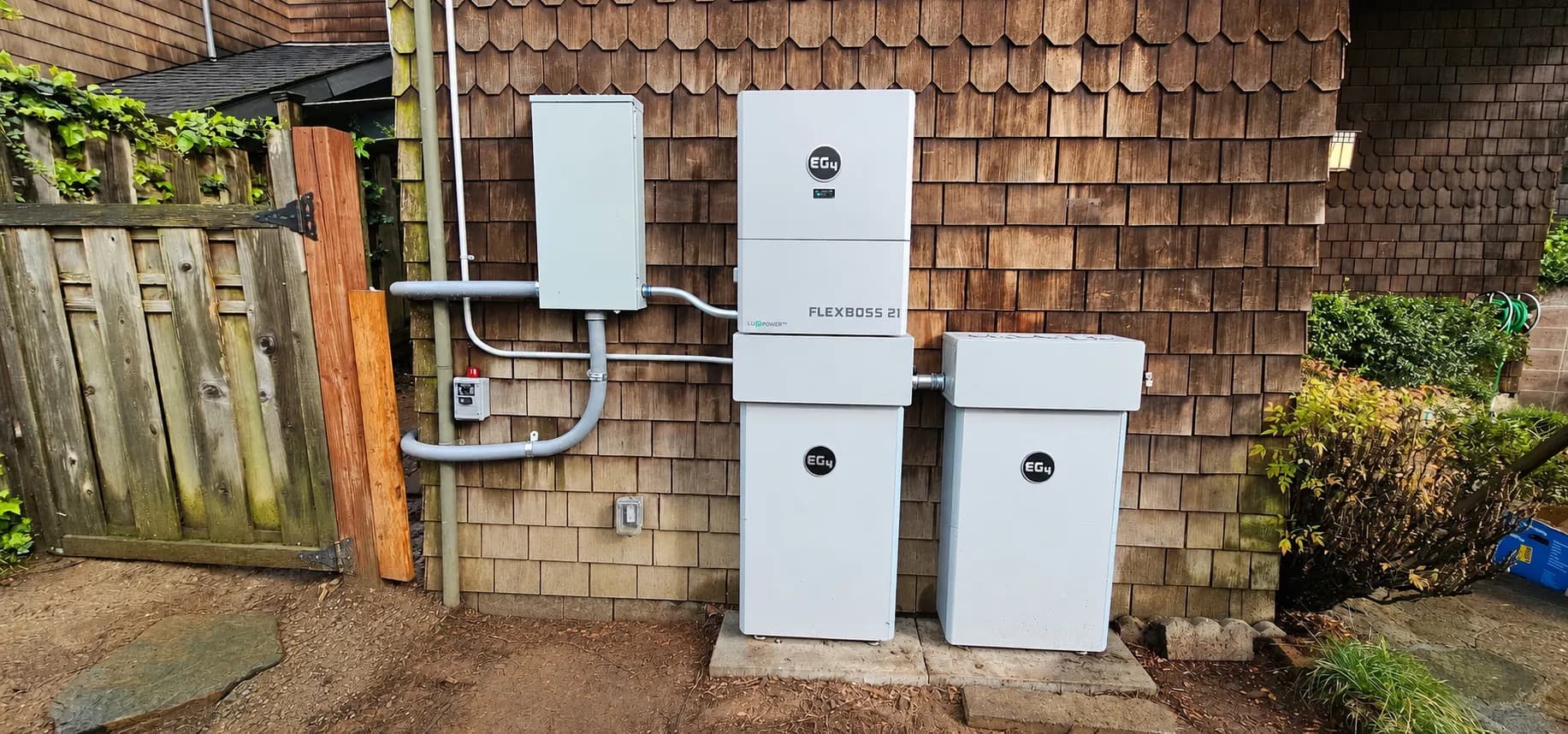
The parts list, in the open.
This is the stack we build on, the same proven parts on every project, in the mix your home needs. We didn’t pick the cheapest or the best-marketed. Each one earns its place by lowering your cost over the life of the system. Here’s every part, and why we use it.
- Solar panelsOptivolt
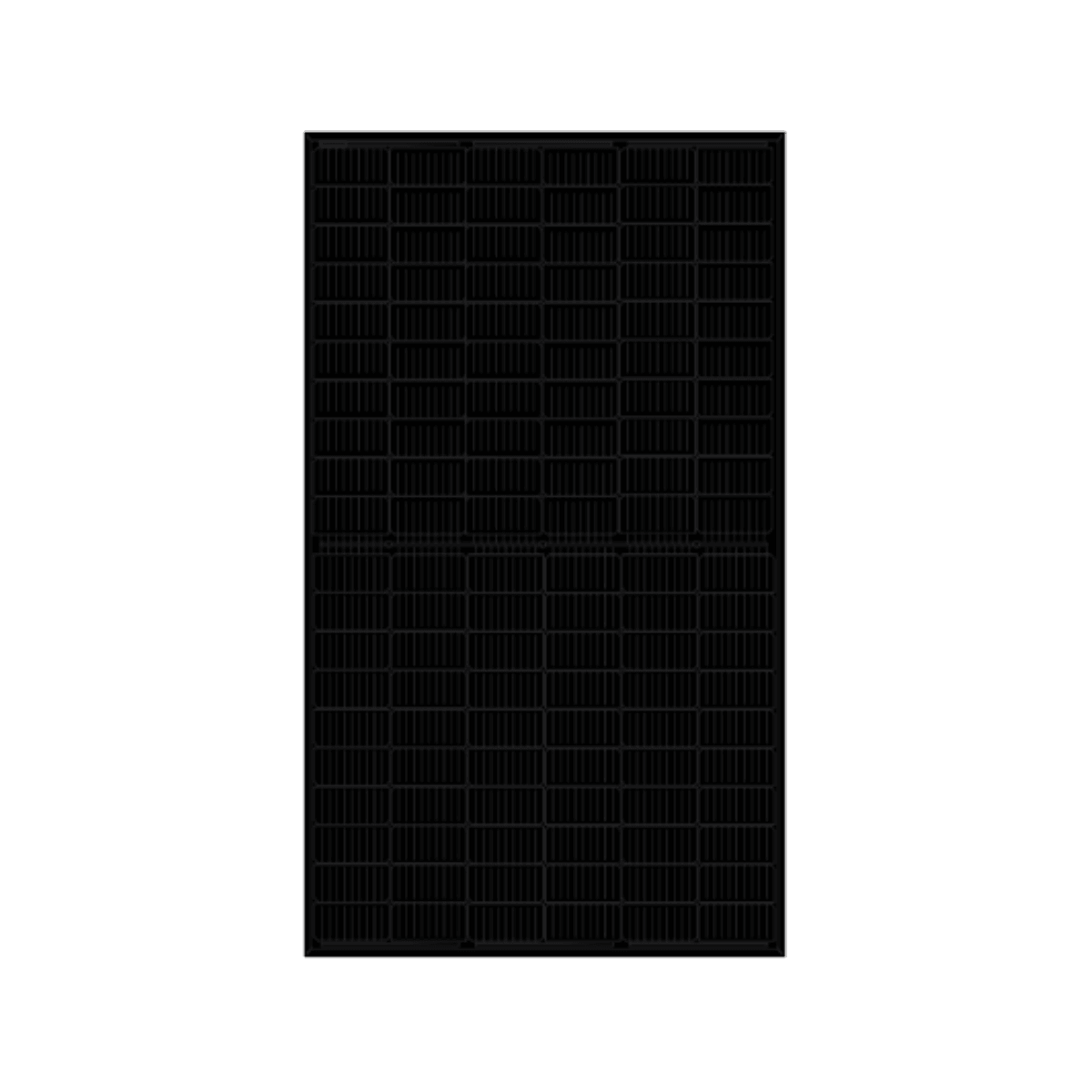
- Bay Area roofs are small, chopped up by chimneys and setbacks, and shaded by trees and fog. On a roof like that, ordinary panels give up far more than just the shaded part. Optivolt builds the fix into the panel: circuitry that keeps each one producing in partial shade instead of dragging its neighbors down. We use them because they turn the roofs we actually have into up to 2× the lifetime production of a standard install.68.8" × 44.6" × 1.4" per panel · 47 lb · 435 W30-year product, performance, and labor warranty
- BatteryEG4 PowerPro
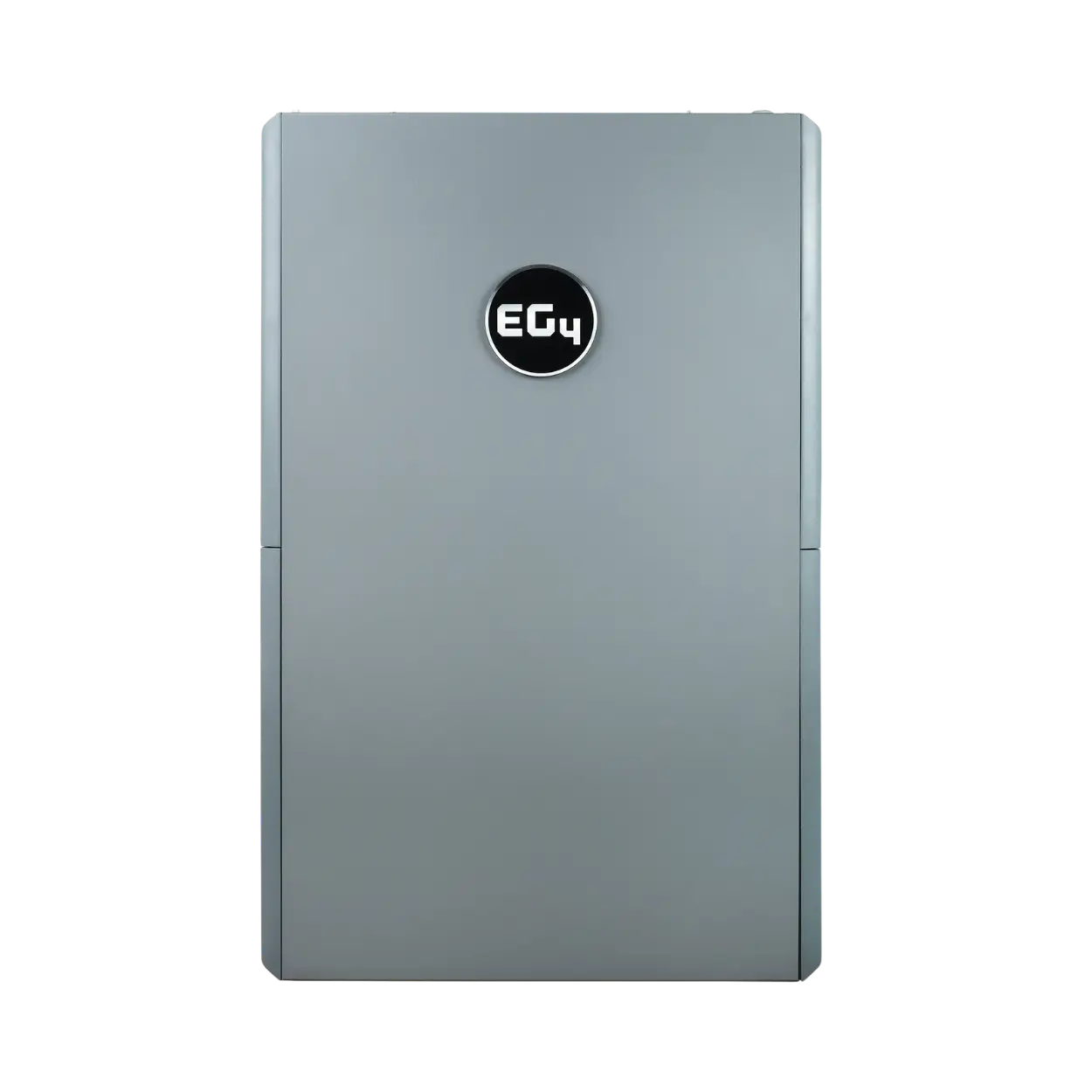
- Your solar makes its power midday, when the house is empty, and you use it at night, when PG&E’s rates peak. Under NEM 3.0 they pay you almost nothing for what you send back and charge full price for what you buy in the evening. The battery closes that gap: it banks your daytime solar so you run on it after dark instead. Each PowerPro unit is 14.3 kWh, and we install one to six per home, a typical system around 28.6 kWh, roughly 3× the California average of 10 kWh. We standardized on EG4 for the price-per-kWh, the open-protocol communications, and the serviceability of the hardware in the field.34.6" H × 22.3" W × 9.1" D · 309 lb · 14.3 kWh per unit10-year warranty · 8,000 cycles at 80% depth of discharge
- InverterEG4 FlexBoss21
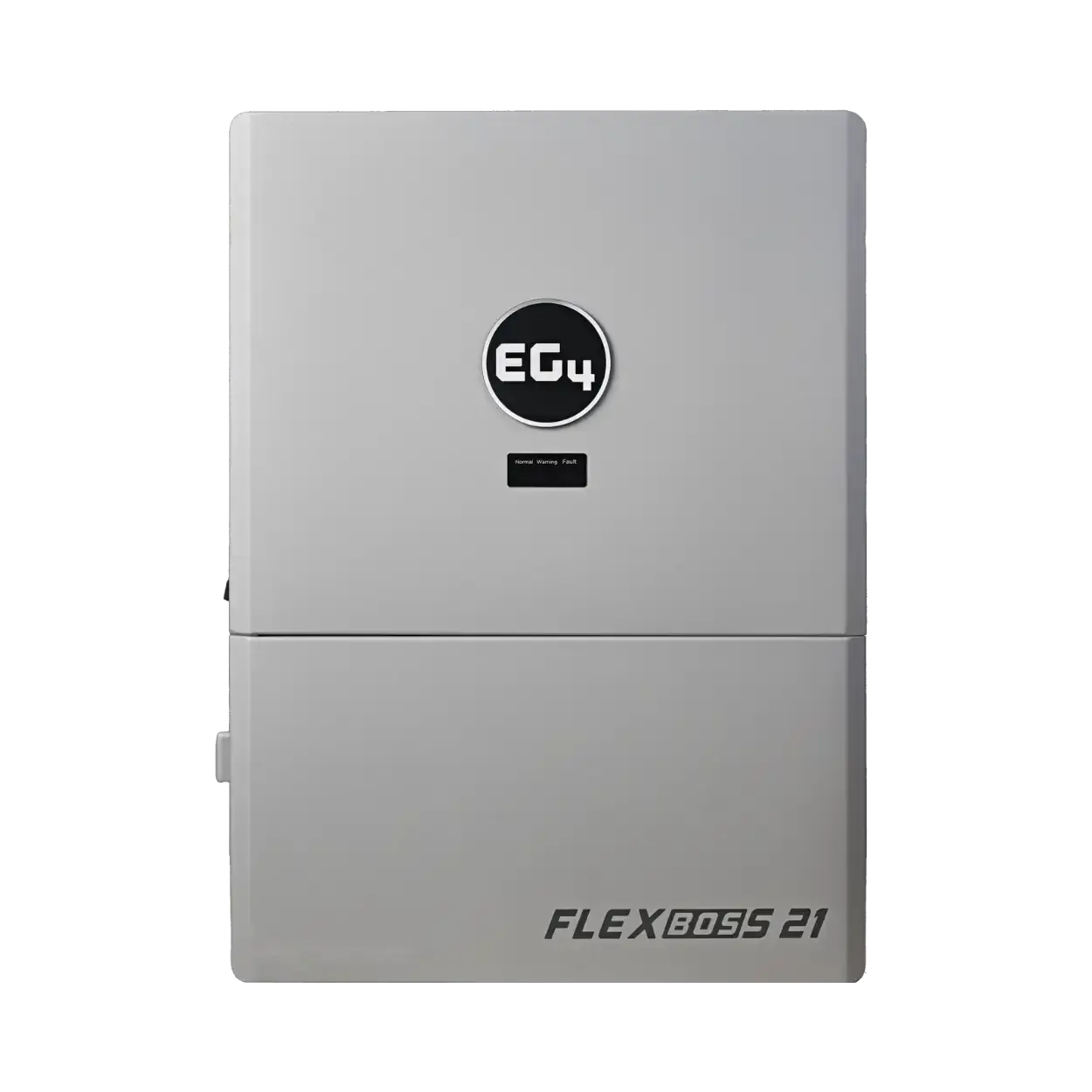
- Every system needs a piece that turns the power from your panels and battery into the kind your house runs on. Most setups use a stack of separate boxes. The FlexBoss does it in one: it runs the panels, charges the battery, powers the house, and switches you onto your own power the instant the grid drops. Fewer parts, fewer failure points, one warranty over all of it. At 12 kW continuous it has the headroom to run a real house now and the loads you add later.30.4" H × 22.3" W × 11.2" D · 121 lb10-year warranty
- Backup switchMeter Collar Adapter
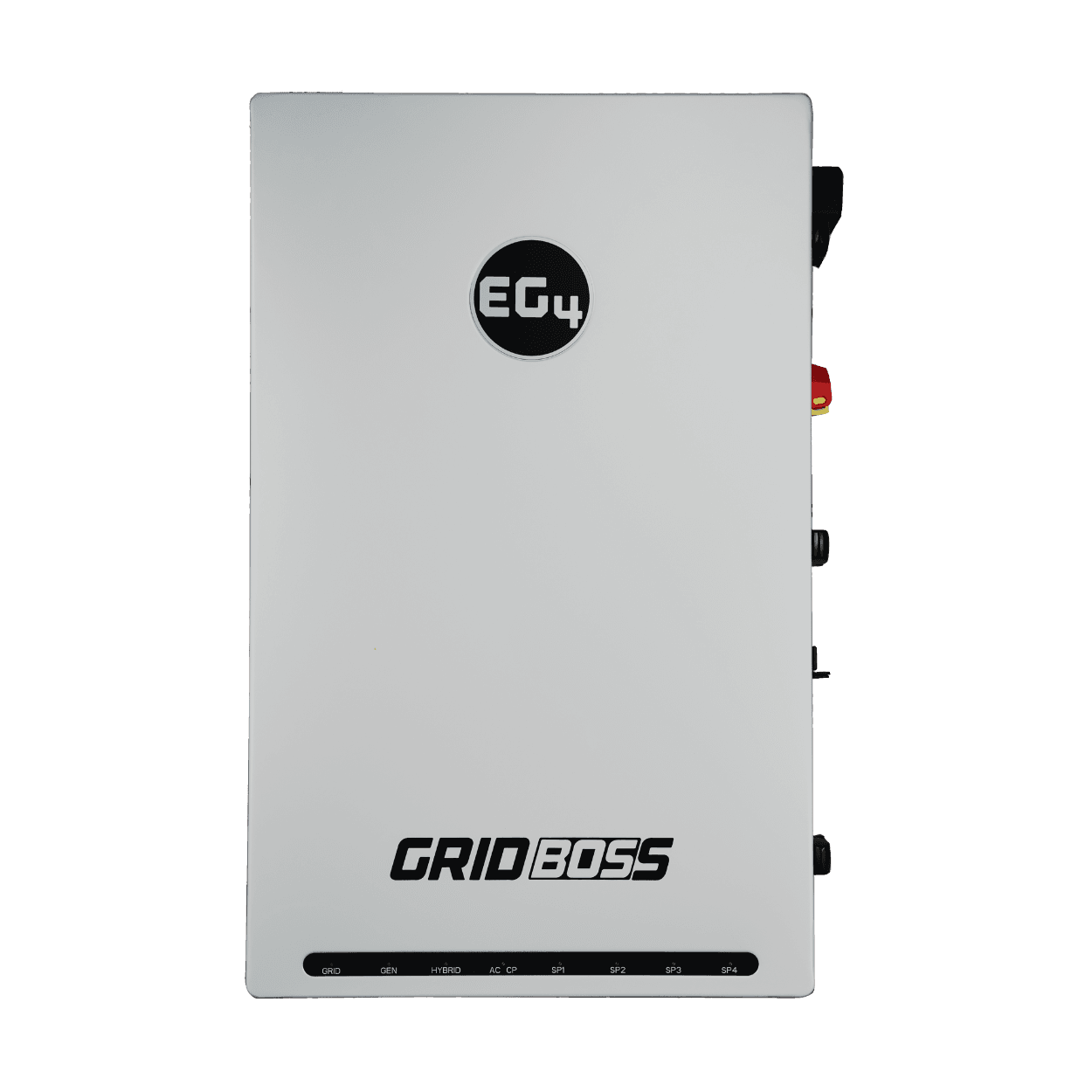
- Add whole-home outage protection without invasive panel replacements or rewiring. The meter collar adapter installs directly behind your utility electric meter to automatically isolate your home during grid outages and power it seamlessly from your solar and battery system.Installed directly behind electric meter10-year warranty
- Energy routerElastic Energy
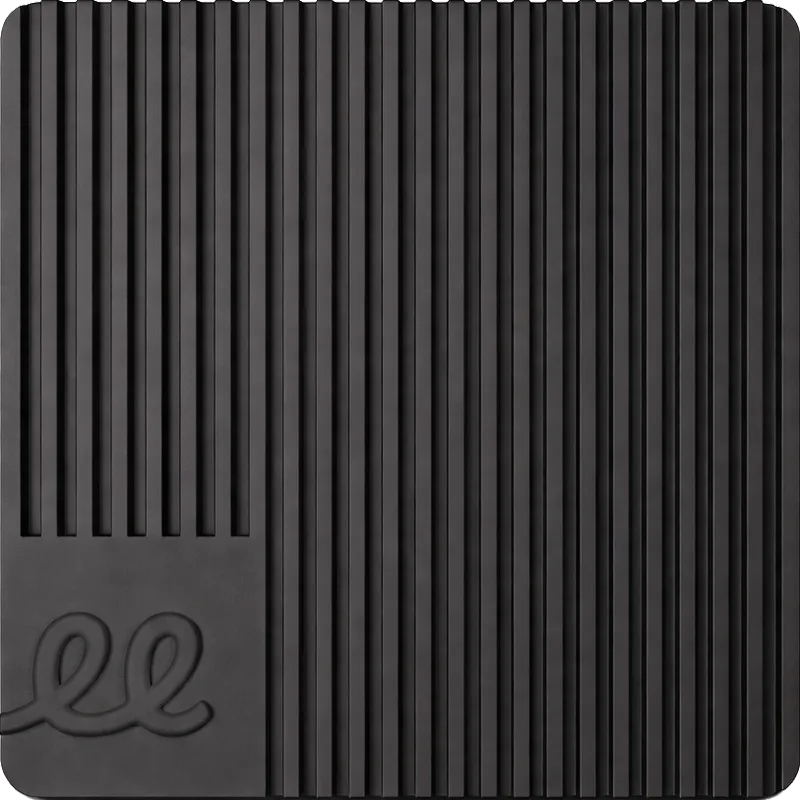
- The software is what makes the hardware pay off. Elastic coordinates the whole system through one app, deciding minute to minute when to charge the battery and when to send power back, based on PG&E’s hourly rates. It runs on open standards instead of a proprietary box, so nothing locks you into one company’s prices, and whatever you add next plugs into what you already own.Local control · WiFi + cellular backup
- EV chargerEmporia Classic
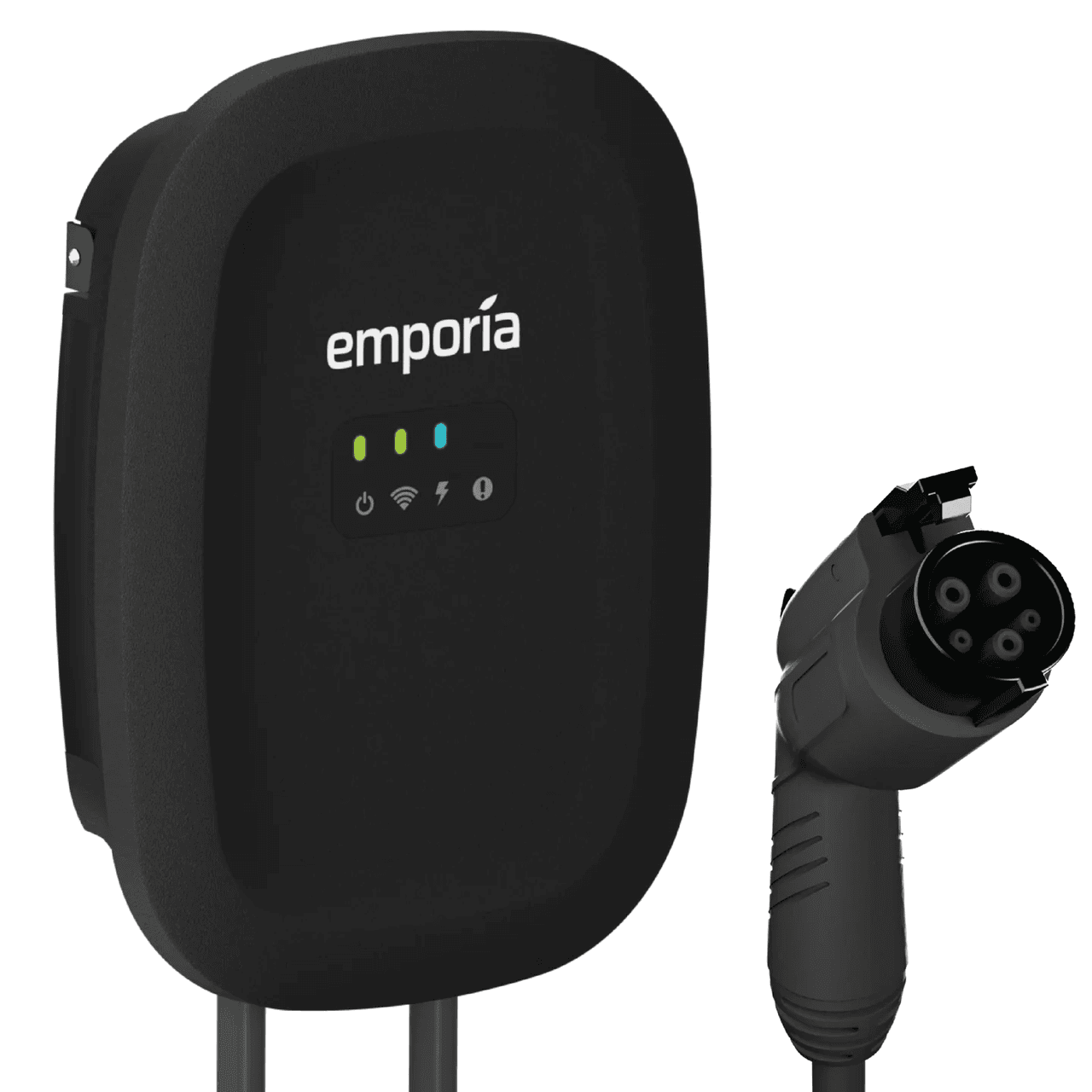
- When a project includes charging a car, this is the charger we use. It’s a 48A Level 2 unit that fits any car, Tesla or not, schedules itself to charge when power is cheapest, and it’s UL-listed and ENERGY STAR rated. We use the standard Classic, not Emporia’s pricier model: the expensive one adds its own load management, and the system already does that for the whole house. No reason to pay for it twice.48A · 25 ft cable · NACS or J1772 · NEMA 4 · UL listed · ENERGY STAR3-year warranty
Open on purpose.
The most expensive thing in solar is not the panel or the battery. It is ripping out a working system in year 8 because one part failed, a vendor discontinued a line, or the new thing would not talk to the old one. Everything here is open and widely available, so it can be serviced, expanded, and repriced by more than one company. A system you add to, not one you throw out.
- Serviceable
- Standard, widely stocked parts. A failure in year 9 is a repair, not a teardown.
- Expandable
- A fuel cell, backup generator, EV charger, or whatever comes next plugs into what you already own.
- Yours to price
- Hardware anyone can buy and quote, so you are never captive to one vendor’s prices.
Questions worth asking.
Good hardware at a fair price, which is the point. We standardized on EG4 for the price-per-kWh, the open-protocol communications, and the serviceability of the hardware in the field. We install nothing else, so the crew at your home has wired your exact system many times over, and our monitoring and warranty work stay consistent across every project. You are paying for the equipment, not a premium badge on it.
Solar panels with circuitry built into each one that keeps producing when part of the array is shaded by a chimney, a tree, or fog. Ordinary panels let that shade drag down the rest. On the small, chopped-up roofs common in the Bay Area, that is how the same roof can reach up to 2× the lifetime production of a standard install.
Yes. The battery uses lithium iron phosphate chemistry, the type least prone to thermal runaway, the system is tested to UL 9540A, and the components are CEC-listed. Those listings are what California inspection and PG&E require before a system can be switched on.
Yes. Everything is built on open standards, so a fuel cell, backup generator, EV charger, or whatever comes next plugs into what you already own instead of forcing a rip-and-replace.
Because the hardware is open and widely stocked, a failure years from now is a repair, not a teardown. You are not captive to a single vendor who can strand you by discontinuing a proprietary line.
Each component carries its own manufacturer warranty, and we install and register to spec to keep that intact. On top of that, Potrero adds a workmanship warranty on the labor. The manufacturer warranty for each part lives on its product page, linked in the parts list above.
Those are well-made, but they are closed systems: proprietary hardware, one company setting the price, and a teardown when you want to change something. We chose open, serviceable hardware because it lowers your cost over the life of the system, which is the whole reason to go solar in the first place.
Same price.
Twice the value.
Start with your address. We will read your roof, build an instant estimate, and let you tune solar, battery, backup, and EV charging before you book a design review.
No contact info required.